
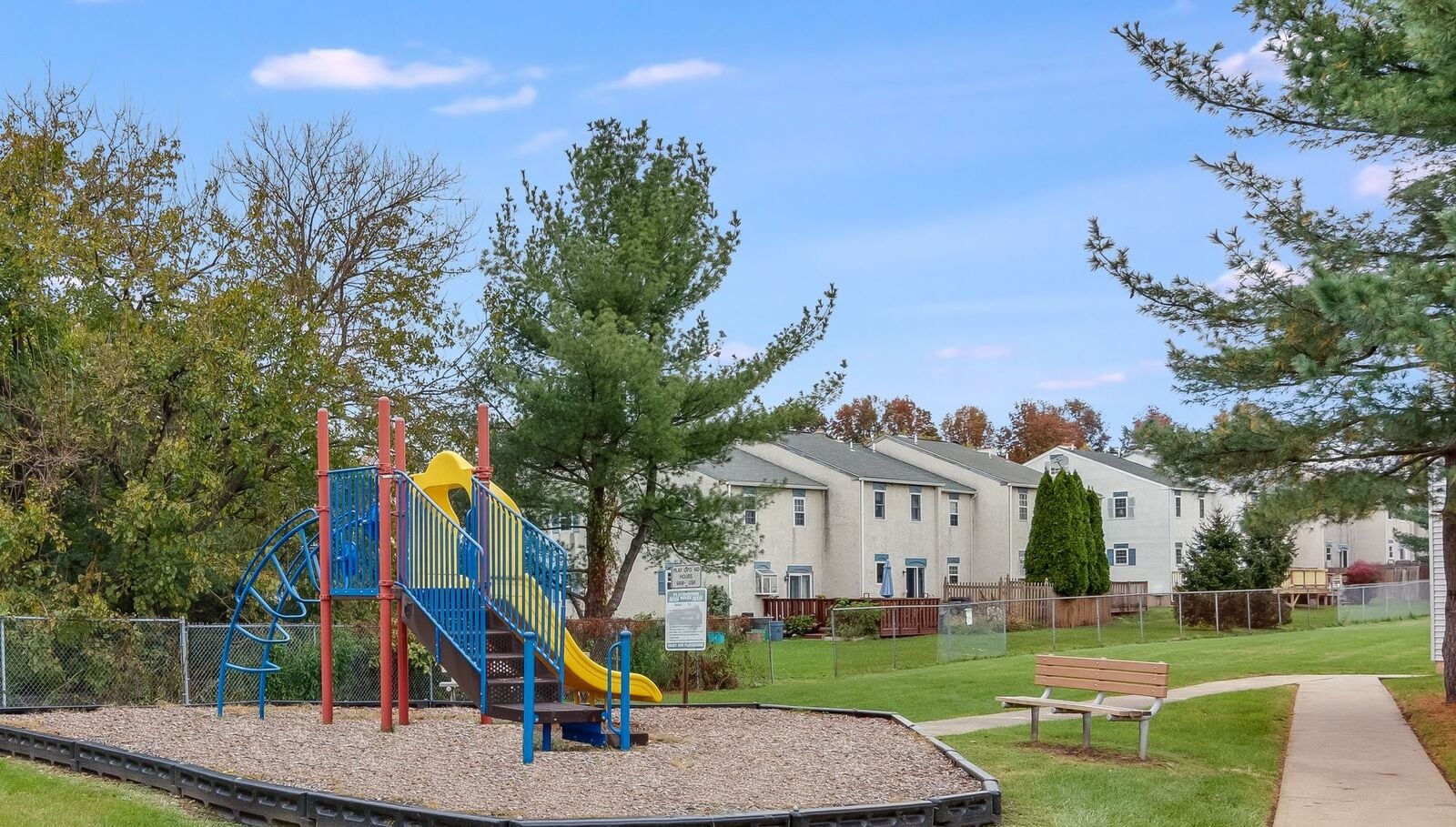
Rolling Hills Apartments in Pottstown, Pennsylvania, is a 232 unit residential community within the Greater Philadelphia region.

Security Infrastructure for a Residential Community
Supporting a property of this scale requires attention to the connections between buildings, the systems used to manage security, and the people responsible for daily operations. Technology must fit the community and remain practical for the staff who use it.
Northeast Remote Surveillance and Alarm, LLC (NERSA) installed the system at Rolling Hills Apartments in 2008 and has upgraded it several times since.
The project includes wireless infrastructure, alarm systems, and access control, supporting connectivity, alarm functions, and authorized entry.
The project illustrates how residential communities can approach security as a coordinated infrastructure and management responsibility. Each system has a distinct role, while its usefulness depends on appropriate installation, clear operating procedures, and ongoing attention from the property team.
The Setting: Pottstown and Greater Philadelphia
Rolling Hills is located at 2120 Buchert Road, with a Pottstown mailing address in Montgomery County.
The community’s official website identifies the property and its location, while Pennsylvania housing records list 232 units.
That scale provides useful context for understanding the importance of organized security administration.
A residential community supports activity throughout the day. Residents return home, employees carry out maintenance, visitors arrive, and service providers need access for specific tasks. Security planning must account for these different activities without making ordinary property operations unnecessarily difficult.
For communities across Greater Philadelphia, the starting point is understanding which spaces and systems management controls.
A defined scope helps distinguish shared property responsibilities from individual household needs and gives the installation team a clear basis for planning.
Wireless Infrastructure as the Foundation
Wireless infrastructure was part of the Rolling Hills project.
Connectivity is a foundational consideration whenever equipment must communicate across a property.
The design needs to account for the locations being connected, the information moving between them, and the conditions that could affect communication.
Wireless infrastructure can provide connections where extending a physical cable route is difficult or impractical. Its suitability depends on the site. Building placement, mounting locations, trees, obstructions, available power, and surrounding radio activity all influence how a connection should be evaluated.
For a residential setting, the objective is dependable communication suited to the intended equipment. Network planning should distinguish operational security needs from unrelated network traffic and identify who is responsible for maintaining each part of the connection.
At Rolling Hills, wireless infrastructure belongs alongside the alarm and access control scope as an essential project component. Considering connectivity early helps property teams avoid treating communications as an afterthought once other security equipment has already been selected.
Alarm Systems and Clear Operating Responsibilities
Alarm systems were another part of NERSA’s work at Rolling Hills.
Their role within a property security program is to identify configured conditions and support an appropriate response.
The usefulness of an alarm depends on what it represents and how responsible staff handle it.
A sound operating approach starts with clear descriptions of the areas and conditions covered by the selected system. Staff need to understand normal operation, recognize when something requires attention, and know whom to contact when assistance is needed.
For a community with 232 units, consistency matters. Procedures should remain understandable when employees change roles, maintenance responsibilities shift, or management personnel are unavailable. Clear responsibilities reduce uncertainty about who should investigate an issue or arrange service.
The Rolling Hills project includes alarm systems as part of its broader security scope. Property managers considering similar work should define their alarm requirements around actual operating needs, then confirm the equipment, communications, and response arrangements included in the proposed solution.
Access Control for Designated Areas
Access control provides a structured way to manage authorized entry at the locations included in a project.
At Rolling Hills, access control was one of the three confirmed service areas, complementing the wireless infrastructure and alarm systems.
Useful access planning begins with people and responsibilities. Management needs to determine who requires access, which areas they need to enter, and when that permission should apply. Those decisions guide the selection and administration of the system.
Permissions also need attention over time. Employee changes, contractor assignments, and changes in the use of shared spaces can all create reasons to review authorization. A clear process for updating access helps keep the system aligned with current operations.
The physical opening remains important. Door condition, locking hardware, closing performance, and the way people use an entrance affect the overall result. Electronic access control should be considered together with the opening itself and the responsibilities of the property team.
Coordinating the Three Project Components
Wireless infrastructure, alarms, and access control address different needs. Connectivity supports communication, alarm systems identify selected conditions, and access control manages permission at designated entry points. Planning them together helps reveal dependencies that might otherwise be missed.
For example, a proposed security function may depend on a network connection, local power, or an assigned administrator. Identifying those requirements before installation helps clarify the work needed and the people responsible for supporting it afterward.
Coordination also means defining boundaries. Property teams should understand which functions operate independently and which rely on other equipment or services. That understanding helps staff describe problems accurately and seek the right support when an issue occurs.
The Rolling Hills scope demonstrates the value of considering infrastructure and security equipment within the same property plan. It gives other residential communities a practical framework for organizing discussions about connectivity, alarms, and controlled access.
Keeping Security Manageable Over Time
A security system continues to need attention after installation. Property teams benefit from clear equipment identification, current contact information, organized documentation, and staff who understand routine operating tasks. These practices help preserve continuity as people and responsibilities change.
Periodic reviews can focus on practical questions: are authorized users current, are reported issues being addressed, and do the systems still match how the property operates? Changes in building use or staffing may create new requirements that deserve a planned review.
For a community the size of Rolling Hills, manageable procedures are valuable. A process that staff can follow consistently helps connect the installed technology to everyday responsibilities and supports clearer communication between management, maintenance personnel, and service providers.
Planning a Residential Community Security Project
Residential communities evaluating similar improvements can begin with a property walkthrough and a clear description of their priorities. Identify the locations requiring connectivity, the alarm functions needed, and the areas where access should be managed. Existing equipment and operational constraints should be part of that discussion.
A useful assessment should also establish a clear, practical sequence for the work. Discuss access to equipment locations, coordination with maintenance staff, and how residents will receive any necessary notices. Agreeing on responsibilities early helps everyone understand the project. It also gives management a clear reference for reviewing the completed scope, asking questions, and organizing future service as the needs of the community continue to develop over time.
NERSA’s Rolling Hills Apartments project brings together wireless infrastructure, alarm systems, and access control for a 232 unit community in the Pottstown area. For property owners and managers throughout Greater Philadelphia, it offers a relevant example of approaching security through a coordinated scope that considers both technology and ongoing administration.
Explore more NERSA case studies or request a security assessment.