
NICET certification documents an individual’s qualifications within a specific engineering-technology program and level, helping commercial property teams evaluate credentials for assigned work.

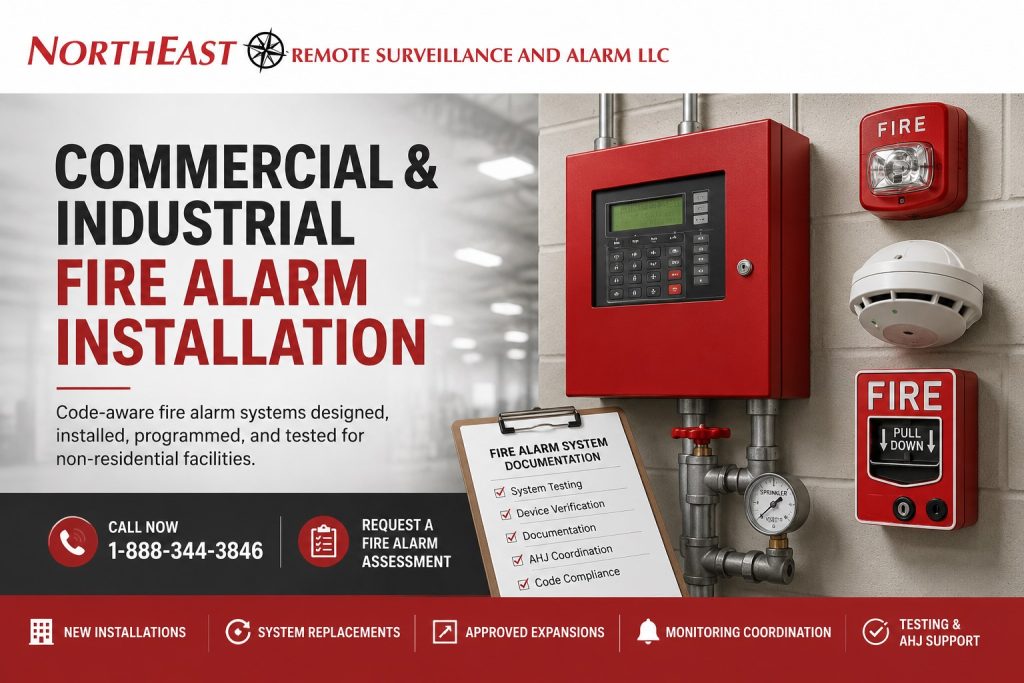
Check the Program as Well as the Level
NICET offers distinct certification programs, including Fire Alarm Systems and Inspection and Testing of Fire Alarm Systems; their requirements differ, so a credential should be reviewed by its full program name and level.
See NICET’s certification programs for the current options.
Fire Alarm Systems Levels I–IV
The Fire Alarm Systems program provides a useful example of progression: Level I requires at least six months of relevant experience; Level II requires two years; Level III requires five years; and Level IV requires ten years. These are full-time-equivalent requirements with specific limits and conditions for qualifying experience.
- Level I: Entry-level requirements include the Level I examination and verified performance measures.
- Level II: Candidates meet cumulative examination and performance requirements with additional qualifying experience.
- Level III: Requirements include leadership and technical-management experience plus a personal recommendation.
- Level IV: Requirements include senior responsibilities, a personal recommendation, and a major-project description.
Use the official Fire Alarm Systems requirements for the complete experience categories and application conditions.
An Exam Result Is One Part of Certification
Passing an examination alone does not establish certification.
NICET also evaluates documented experience and supervisor-verified performance, with additional requirements at higher levels.
Its examination requirements explain the distinction between testing and earning the credential.
Confirm the Credential Fits the Assignment
Ask for the individual’s certification program, level, number, and current status. Match those details to the work being proposed and any applicable project requirements; avoid relying on a general claim that a company is “NICET certified.”
NICET states that its certification does not authorize the practice of engineering.
Engineering authority is governed separately by the relevant licensing requirements; see NICET’s explanation of certification and engineering practice.
Check Continuing Status
NICET requires continuing professional development and recertification on a three-year cycle.
Keep current credential records with the project’s other qualification documents and confirm who is responsible for the assigned work.
The official program guidance explains maintenance requirements.
Related Standards and Services
Explore these references and services to coordinate personnel qualifications with the project’s installation, safety, and documentation requirements.
Return to commercial security compliance and inspection readiness for the broader planning directory.
- NFPA Standards and Commercial Security, Fire Alarm, and Life Safety Systems — Review the standards context for coordinated building systems.
- Pennsylvania Uniform Construction Code (UCC) and Commercial Security Systems — Explore the Pennsylvania building-code context for security work.
- ASIS International
- ISO Standards and Commercial Security Systems — Review how management-system standards relate to security planning.
- OSHA and Electronic Security Systems — Explore the relationship between security systems and workplace operations.
- NDAA Compliance and Commercial Security Systems — Review equipment-procurement considerations for applicable projects.
- Commercial fire alarm systems — Review commercial fire alarm planning and installation scope.
Request a Security Assessment
Request an assessment to discuss your property’s security project and the documentation needed to define its scope.