Commercial fire alarm upgrades in the Lehigh Valley begin with a practical question: what can be retained safely and what needs to change?
Request a commercial fire alarm assessment
Northeast Remote Surveillance and Alarm (NERSA) helps facility owners and managers assess existing fire alarm control panels, detection and notification devices, reporting paths, building-system interfaces and the documentation needed to plan a reliable modernization.
For regional installation and system planning, start with the Lehigh Valley commercial fire alarm installation guide.
This page concentrates on existing systems: panel replacement, phased modernization, takeover planning and upgrades triggered by renovations or recurring equipment problems.
When a Commercial Fire Alarm System Needs an Upgrade
An upgrade may be driven by obsolete equipment, limited replacement-parts availability, repeated trouble conditions, deteriorating batteries, a change in building use, unreliable communication, a tenant renovation, or a system that no longer supports the property. These situations do not automatically require replacing everything. The first step is to establish a defensible scope from actual equipment and records.
- Existing fire alarm control panel manufacturer, model, capacity and service history
- Device inventory, zoning, notification appliances and any known faults or failed tests
- Current drawings, previous inspections, deficiencies and monitoring account details
- Existing sprinkler supervision, elevator recall and access-control release interfaces where applicable
- Occupied-building operations, shutdown constraints and areas requiring phased work
Panel Replacement Without Unnecessary Equipment Changes
A replacement fire alarm control panel must support the required functions and compatible listed devices. Existing wiring or field equipment may sometimes remain, but only after its suitability is verified against the proposed control equipment, applicable requirements and the approved project design. It is not appropriate to promise universal compatibility or to reuse devices solely to lower the initial quote.
NERSA reviews what the building needs and identifies when a complete replacement, selective device replacement or phased upgrade is the more sensible approach. The scope should account for spare capacity, labeling, battery and power calculations, annunciation, notification circuits, and who will prepare or approve the drawings.
Changing Fire Alarm Service Providers
An existing system may be operational even when the owner wants a different service arrangement. A responsible takeover review starts with panel access, programming ownership, records, equipment condition, current deficiencies, and the contractual responsibilities of each provider. Avoid assuming that access codes, service software, spare parts or manufacturer support will transfer automatically. Some systems restrict programming or require coordination with an authorized provider.
Before the handoff, confirm the planned monitoring start date, subscriber and contact information, available signals, testing responsibilities and a documented plan for any temporary gap in service. If hardware must change, distinguish that work clearly from a monitoring-account transfer. Owners should receive a readable summary of remaining limitations as well as the work completed.
Modernizing Monitoring and Communication Paths
Many older systems rely on communications methods that are no longer practical to maintain. A monitored-system upgrade may involve cellular, IP or another accepted reporting method, provided the panel, communicator, supervising station and applicable requirements support the proposed arrangement. Do not disconnect an existing path until the transition and verification plan is established.
Fire alarm, supervisory and trouble conditions are different types of signals and need the correct receiver programming and customer instructions. During a transition, verify site identifiers, event mapping, subscriber information and the responsibility for documenting successful signal tests. Facilities with several buildings also need a clear account and response structure.
Protect Connected Life-Safety Functions
Replacing the main panel can affect much more than smoke detection. Review sprinkler waterflow and tamper supervision, relevant HVAC shutdown functions, elevator recall coordination, door-release interfaces, remote annunciators and power supplies before work begins. Which functions are required depends on the specific property and approved design.
The fire alarm contractor, mechanical or elevator contractor, access-control team, designer and authority having jurisdiction may each have responsibilities. Clarifying those interfaces before installation helps avoid incomplete handoffs and unexpected change orders.
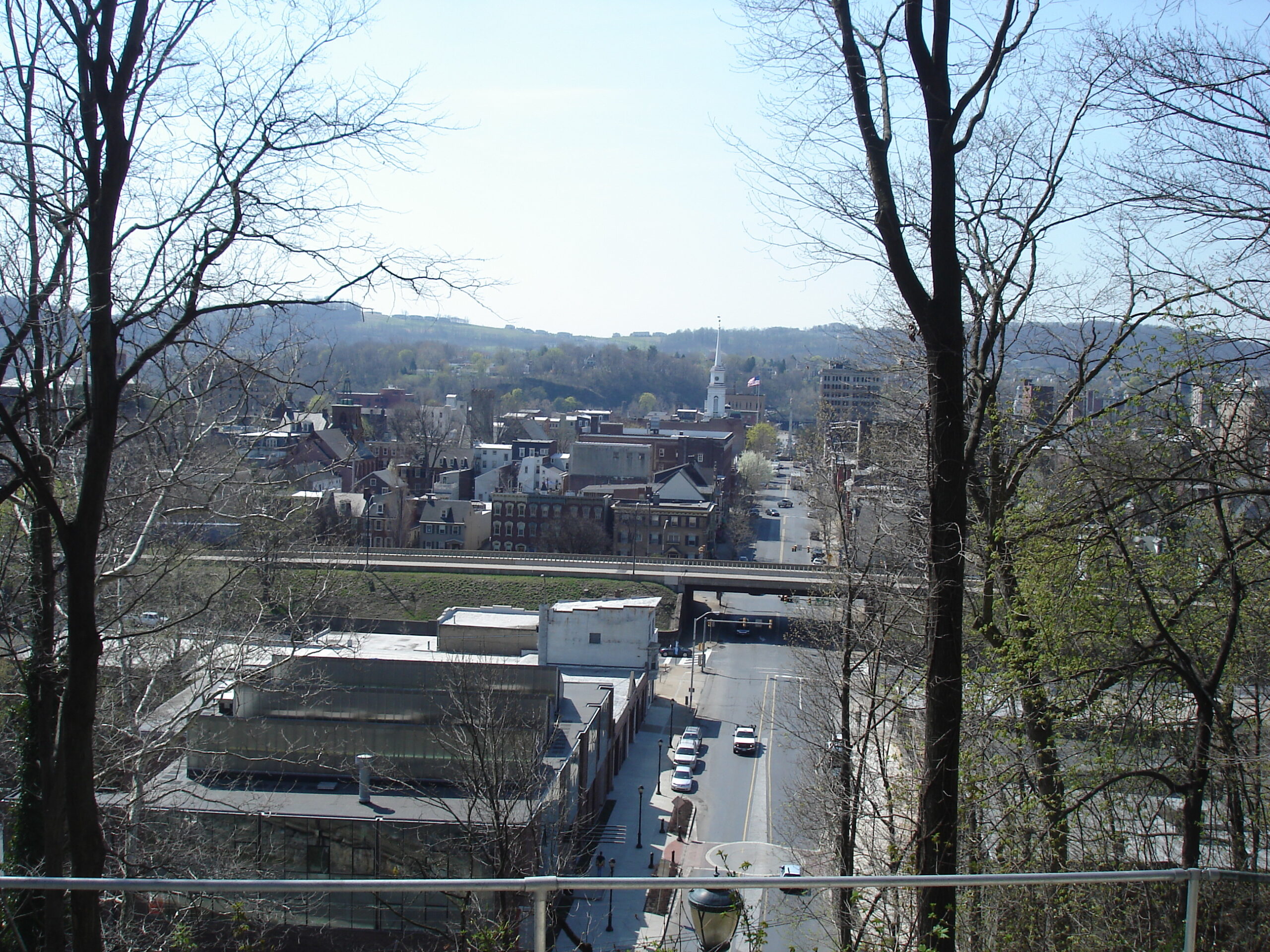
Upgrades for Lehigh Valley Facilities
Warehouse and distribution properties along I-78, Route 22 and Route 33 may need to plan around high ceilings, large storage areas and round-the-clock activity. Manufacturers often need coordination with operating equipment, segregated production zones and shifts. Office buildings, schools and professionally managed multi-tenant properties may need phased work that respects occupied spaces and access schedules.
NERSA supports property teams throughout Allentown, Bethlehem, Easton, Whitehall, Hanover Township, Upper Macungie, Fogelsville, Breinigsville, Trexlertown, Nazareth and surrounding Lehigh and Northampton County communities. The building’s occupancy and existing equipment—not a standard package—drive the recommendations.
Define Testing, Records and the Handover
A useful proposal identifies the existing problems, equipment to retain or replace, dependencies, permit and inspection responsibilities, applicable acceptance testing, monitoring cutover and closeout documents. Require updated device records and clear instructions for building personnel. Where the authority having jurisdiction or insurer requests specific documentation, include it in the project plan.
For a practical example of NERSA’s work spanning life safety and other building systems, see the Howard Apartments fire alarm and security project in Pennsylvania.
Its scope differs from an industrial retrofit, but illustrates coordinated facility systems without making claims about specific equipment certifications.
Frequently Asked Questions
Can an older fire alarm panel be replaced without changing every detector?
Sometimes, but only when device compatibility, listing, condition and approved design allow it. Equipment cannot be presumed reusable without evaluation.
Can an existing fire alarm monitoring provider be changed?
A change may be possible after reviewing ownership, communicator compatibility, account programming and required signal verification. A monitoring transition is not a substitute for correcting panel or device problems.
Does an upgrade always require an inspection or permit?
Requirements vary by scope and jurisdiction. The project team should confirm the applicable approvals, inspections and acceptance-testing obligations with the authority having jurisdiction before work.
Engineering Coordination for Panel Replacements and System Modernization
When a Lehigh Valley commercial fire-alarm panel is replaced or an existing system is expanded, NERSA can coordinate a qualified third-party fire-alarm design or engineering contractor under its project management for required drawings, calculations, design review or permitted alterations. Licensed professional services and required approvals are provided by the responsible qualified professionals, not represented as in-house engineering.
Before selecting a replacement panel, identify circuit loading, standby power, device compatibility, point mapping, supervised interfaces and the communicator’s supported paths. Plan any temporary protection or occupied-building outages with the responsible parties, then document functional tests, record updates, administrator training and handover.
Request a Lehigh Valley Fire Alarm Upgrade Assessment
Tell NERSA what is driving the upgrade, including the existing panel model, known faults, available inspection reports and desired work schedule.
We can review the appropriate next steps for your property.
Request a commercial fire alarm assessment or call 1-888-344-3846.
Compliance, Codes & Project Standards
NERSA plans commercial and industrial security work with applicable code, documentation, inspection and authority-having-jurisdiction requirements in mind. Requirements vary by system, property and jurisdiction. These resources support project planning; they do not establish legal compliance, certification or AHJ approval.
Related guidance: Regulatory compliance & inspection readiness · Fire alarm inspection readiness · NFPA 72 fire-alarm planning