
A warehouse camera pointed across an entire yard rarely answers every operational question.
Request an assessment for this Philadelphia project
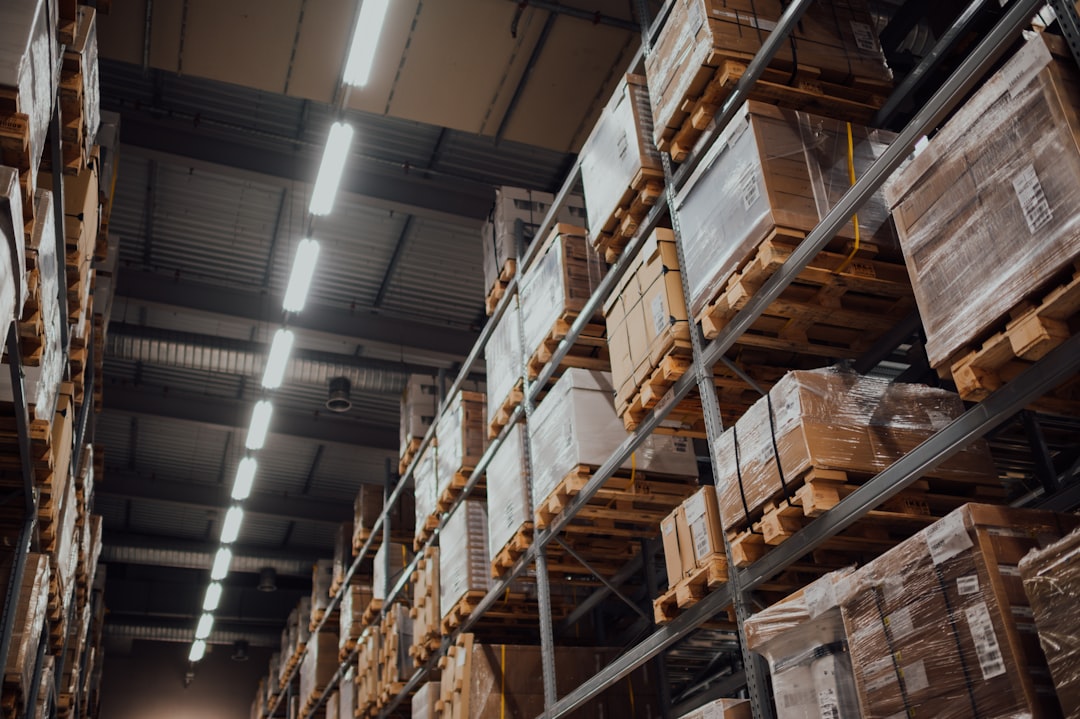
Philadelphia loading dock and truck yard video surveillance should document what happens at doors, trailer positions, vehicle entrances, shipment staging and after-hours access. Northeast Remote Surveillance and Alarm, LLC plans systems around how freight actually moves through a property.
For a building-wide camera system, see NERSA’s Philadelphia commercial video surveillance guide.
Loading docks and truck yards need special attention to trailer movement, lighting, camera mounting and usable views of shipping and receiving activity.
Map the Route of a Shipment
Identify how a truck arrives, checks in, gets assigned to a bay, parks, loads or unloads, and exits. Walk the route with operations staff. Document the vehicle lanes, gates, dock aprons, pedestrian crossings, staging areas, yard storage and building entrances. Camera placement should answer specific questions: which vehicle arrived, which dock was used, when a trailer door opened, who entered a restricted zone, and what happened during a disputed handoff.
A wide overview has value for context. Identification views at choke points usually require a different angle, lens and mounting location. Don’t expect a single overview to produce legible identifiers everywhere.
Dock Doors and Shipping/Receiving Coverage
At dock positions, assess opposing sun, headlight glare, lighting levels, forklifts and moving obstructions. Consider views covering trailer approach, bay assignment areas, pedestrian entry, dock equipment, overhead doors and the edge of shipping or receiving activity. Coordinate cameras with the facility’s workflow and privacy practices rather than filming employee areas indiscriminately.
A physical walkthrough can reveal blind areas created by trailers, parked vehicles and storage racks that look clear on a plan.
Trailer Yards, Gates and Exterior Storage
Perimeter and yard coverage may involve cameras for vehicle approaches, fence lines, trailer rows, high-value assets, gates and lighting transitions. Evaluate poles, building corners, cable routes, outdoor power, surge protection and wireless links. Vehicle plates may be useful at controlled lanes, but plate-capture geometry and lighting need dedicated evaluation; an ordinary wide-angle camera does not guarantee dependable plate identification.
After-Hours Monitoring and Incident Review
Agree on who reviews video, how events are flagged, what counts as an actionable alert, and when a responsible employee or monitoring provider should be contacted. Motion alerts can become noisy around roadway traffic, weather and delivery operations. Define activity zones, schedules and escalation rules that match site conditions and approved service capabilities.
When remote video monitoring is part of the agreed scope, verify internet reliability, authorized access, event clip retrieval and response responsibilities rather than assuming cameras alone provide intervention.
Deliver Evidence the Operations Team Can Use
The system should let authorized staff locate footage by time, loading location, event or camera view. Confirm recording retention and video exports against incident and claims workflows. Test the actual result with trailers parked, docks operating, and lighting conditions that resemble the property’s normal workday and overnight shifts.
For entrance credentials and controlled truck or employee access, review Philadelphia commercial access control.
More general camera design is covered in the parent Philadelphia camera-installation guide linked near the beginning of this page.
Design Checks for a Working Freight Facility
Follow a real truck movement. Observe a representative arrival from the public approach through the internal yard and assigned bay. Compare that movement with the intended camera views, noting where parked trailers, open overhead doors or stacks of materials block the picture. A camera layout should distinguish context views for movement across the site from closer views required to identify people, equipment or particular vehicle details.
Test daytime and nighttime conditions. Low sun, headlights, reflective trailer bodies and shadows under canopies can make important frames unusable. Review weather exposure, moisture, outdoor cable protection, poles, available power and possible wireless backhaul. Test the planned approach with normal dock lighting and with the yard in its after-hours condition instead of using only daytime equipment demonstrations.
Make incident retrieval practical. Operations staff should be able to find footage when a trailer arrives at the wrong bay, equipment is damaged, a seal is disputed or a shipment is reported missing. Establish a consistent camera-naming convention, time synchronization, suitable retention and a simple authorized export process. Where a compatible gate event or intercom call can add context, determine whether that integration genuinely helps the investigation. Protect customer, driver and employee information through appropriate access and retention rules.
Frequently Asked Questions
Where should loading dock cameras go?
Placement depends on the site’s lanes, dock apron, overhead doors, lighting, obstructions and the footage needed for incident review. One standard layout does not fit every dock.
Can we reuse existing yard cameras and wiring?
Potentially. NERSA evaluates image quality, placement, supported equipment, power, cabling and recording before recommending replacement.
Do outdoor cameras automatically read truck plates?
No. Reliable plate capture usually needs a suitable dedicated viewpoint, lighting, lens and recording configuration.
Request a Philadelphia Commercial Security Assessment
Tell us which building or area needs attention, what equipment is already in place, and whether this is a new installation, expansion, repair, or takeover.
Request an assessment for this Philadelphia project or call 1-888-344-3846.
Northeast Remote Surveillance and Alarm, LLC serves commercial and industrial properties; we do not install consumer residential systems.
Compliance, Codes & Project Standards
NERSA plans commercial and industrial security work with applicable code, documentation, inspection and authority-having-jurisdiction requirements in mind. Requirements vary by system, property and jurisdiction. These resources support project planning; they do not establish legal compliance, certification or AHJ approval.
Related guidance: Regulatory compliance & inspection readiness · Video surveillance compliance · NERSA project standards