NERSA · Commercial & Industrial Security
Prepare a Poconos security assessment, compare project scopes, evaluate existing equipment and plan a documented upgrade or provider transition.
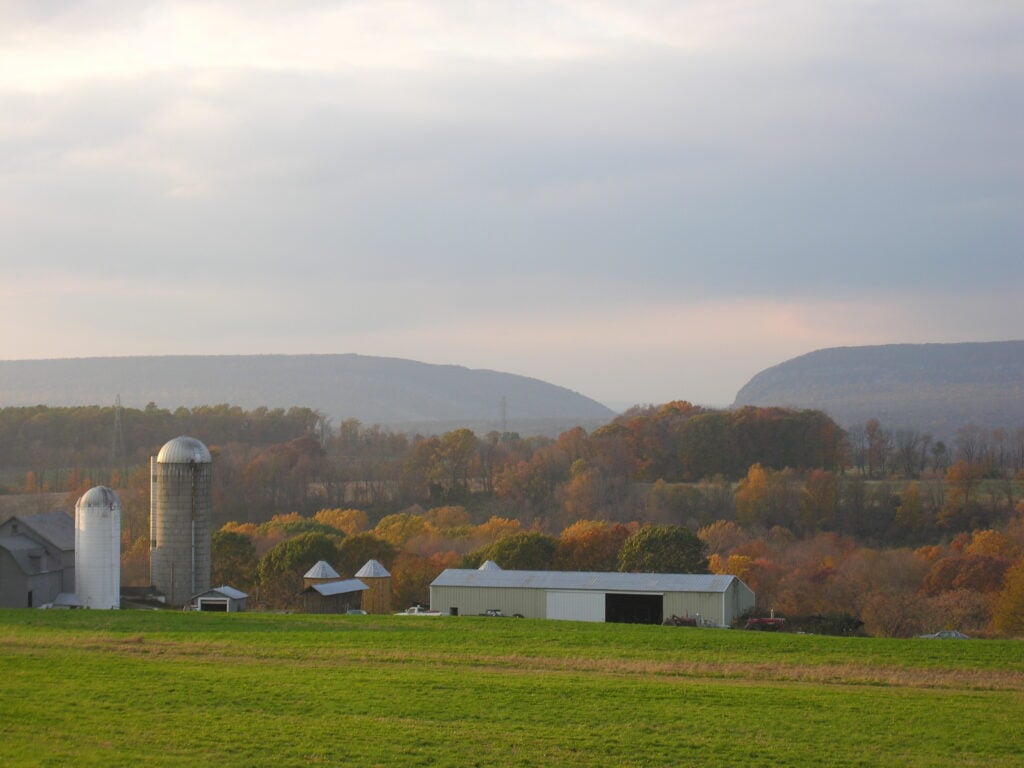
Regional scenery: Delaware Water Gap viewed from New Jersey. Image: public domain.

Turn a security concern into a clear, testable scope. NERSA reviews Poconos commercial properties for new installations, repairs, expansions, upgrades, and provider transitions. The starting point is what your team needs the system to do.
Tell us what is not working
Describe the problem in operational terms. Perhaps staff cannot retrieve a useful recording, a controlled door is unreliable, an alarm generates repeated unwanted events, or a new building needs to connect to existing systems. Name the affected location and the people who depend on it.
Bring the property address, operating hours, known equipment, available drawings, and planned changes. Include operations, facilities, IT, property management, and the budget owner as needed. This helps resolve responsibilities before a proposal assumes they belong to someone else.
Inventory the existing system
Record cameras, recorders, panels, readers, intercoms, gates, cabling, network equipment, software, subscriptions, and monitoring. Identify the owner of equipment and accounts. Confirm that the authorized customer can approve access and provider changes.
Separate equipment condition from suitability. A functioning camera may not show the detail the business now needs. A useful reader may depend on an unsupported controller or account arrangement. Evaluate the complete function before deciding to retain, repair, move, expand, migrate, or replace it.
Set priorities and useful phases
Identify the issues that affect daily operation and the improvements that can follow later. Each phase should deliver a usable result, with its limitations clearly recorded. For example, restoring essential entry and recording can precede a wider yard expansion when the planned infrastructure supports both.
Document dependencies between phases. Additional cameras may require storage, switching, or pathway work. A new access-control platform may require door repairs or account migration. Keep those items visible so the first phase does not create avoidable rework.
Compare proposals against the same requirements
| Ask about | What a clear proposal explains |
|---|---|
| Operating result | What staff will be able to see, control, review, or respond to. |
| Installation | Equipment, labor, pathways, power, network work, and trade coordination. |
| Existing equipment | What remains, its limitations, and the test required for reuse. |
| Ongoing services | Monitoring, software, communications, storage, maintenance, and account ownership. |
| Acceptance | Test tasks, witnesses, evidence, training, defects, and retests. |
Request exclusions, assumptions, allowances, and required owner inputs. Device counts alone do not describe installation effort or long-term cost. Compare the same scope before comparing price.
Plan a provider transition carefully
Confirm equipment ownership, account authority, supported access, subscriptions, monitoring arrangements, and the records available from the existing system. Establish who is responsible during the cutover and how restoration will be confirmed.
Do not end a required active service before the agreed transition conditions are satisfied. Coordinate representative tests with affected staff and providers. Keep temporary impairments and remaining limitations in the controlled project record.
Agree how the finished system will be accepted
Write tests around ordinary staff tasks: retrieving a recording, granting and removing a credential, answering an entry call, or receiving a supported monitored event. Include relevant lighting, schedules, permission boundaries, and approved fault scenarios.
Use the actual operational account and intended endpoint where practical. A successful installer demonstration is only part of acceptance if the customer’s staff cannot perform the agreed task. Document corrections and retest them before closing the affected requirement.
Keep ownership and future support clear
- Receive a readable equipment and location inventory.
- Retain approved drawings and configuration records within scope.
- Confirm administrator ownership and approved support access.
- Record licenses, subscriptions, monitoring instructions, and service contacts.
- Train the responsible staff and identify a backup administrator.
- Assign review after tenant, staffing, layout, or network changes.
Read NERSA’s upgrades and takeovers overview for wider capabilities. Return to the Poconos regional guide to choose a local or system-specific resource before requesting an assessment.
Define the right scope for your property
Tell Northeast Remote Surveillance and Alarm, LLC about the property address, operating hours, current equipment, and the problems you need to solve. We’ll review the proposed systems, installation coordination, and service requirements for the actual location.
Request a security assessmentCall 1-888-344-3846Related Poconos planning
Camera upgrades · Controlled-entry planning · Infrastructure and integration
Commercial, industrial, institutional, and other qualifying projects. Confirm project scope, scheduling, and service arrangements for the specific property.
Customer Project: Pocono Springs Civic Association
Explore a local takeover-and-upgrade project at Pocono Springs Civic Association, including strategic camera upgrades and solar-powered spillway observation. Read the Pocono Springs camera takeover and upgrade case study.