
NERSA · Commercial & Industrial Security
Plan Poconos warehouse security for receiving, docks, trailers, employee access, inventory, alarms, cameras and coordinated installation.

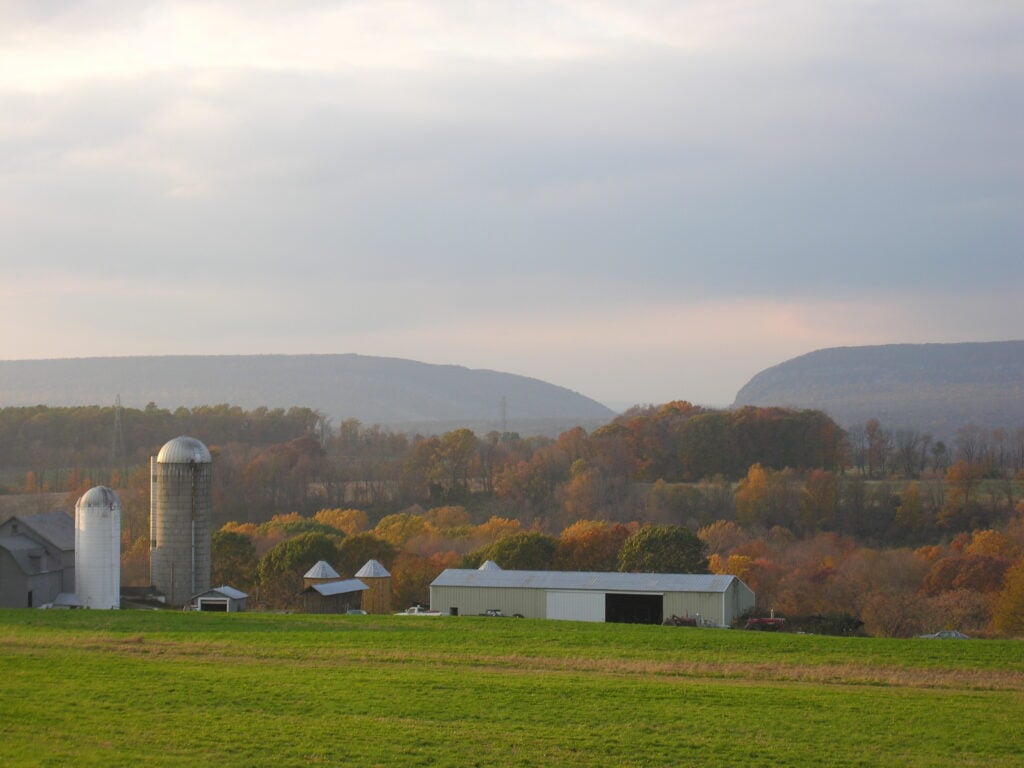
Regional scenery: Delaware Water Gap viewed from New Jersey. Image: public domain.

Follow the movement of people, vehicles, and freight. NERSA plans Poconos warehouse and logistics security around receiving, storage, shipping, yards, restricted areas, and the staff who operate the system.
Map a shipment from arrival to departure
Identify vehicle check-in, driver waiting, dock assignment, unloading, staging, storage, picking, shipping, and release. Mark the point where responsibility changes. A useful security record should help an authorized reviewer understand the relevant activity and time interval.
Separate employee routes from delivery and visitor routes. A vehicle allowed into the yard may still need a controlled path into the building. Record the person who handles late arrivals, wrong-door deliveries, and other approved exceptions.
Assign a purpose to every camera view
A yard overview, a receiving position, a personnel entrance, and a restricted stock area need different views. Define what must be visible at each location. Evaluate recordings with representative trailers, freight, racking, lighting, and normal activity.
Do not assume a very wide image can also provide every detail needed for an investigation. Demonstrate the agreed test task using an operational account. Check whether authorized staff can find and export the relevant recording without broad administrative rights.
Coordinate doors, shifts, and alarm areas
A warehouse that runs continuously may still need separately protected offices, stock rooms, or maintenance buildings. Define schedules and permitted users for each area. Include cleaning, maintenance, temporary workers, and holiday exceptions.
For overhead doors, review normal movement, alignment, vibration, exposed wiring, and physical impact risks before selecting detection. Name each opening consistently across signs, software, drawings, and monitoring instructions. Coordinate a representative test with the receiving provider.
Plan the yard as an operating area
Record gate approaches, stopping positions, trailer rows, truck courts, employee parking, outside storage, and approved pedestrian routes. Confirm which areas are controlled by the warehouse operator and which are shared with other tenants or a landlord.
Where analytics or remote review is proposed, define the event, verification view, operator responsibility, service hours, and escalation procedure. Demonstrate nighttime conditions as well as daytime views. Powered gates and loading equipment require separate specialist safety coordination.
Make installation responsibilities visible
| Workstream | Owner must confirm |
|---|---|
| Field installation | Approved layouts, access equipment, work windows, device supply, and installation materials. |
| Infrastructure | Cable pathways, power, switching, network readiness, and remote-building links. |
| System operation | Account ownership, schedules, credentials, event instructions, and recording access. |
| Acceptance | Witnesses, test conditions, required evidence, defects, and retests. |
For a subcontracted package, state whether the assignment includes labor only, supplied equipment installation, configuration, or complete delivery. Confirm the exact NERSA scope and coordination with the prime contractor, owner, and other trades.
Keep an active facility protected during changes
Inventory existing cameras, alarms, access equipment, and monitoring arrangements. Define what remains active during each phase and who authorizes an interruption. Establish the cutover and acceptance sequence before ending any required existing service.
A phased project should deliver a usable result at each stage. Document limitations that remain until later work, along with their responsible owner. Keep operations informed when views, entry routes, or alarm areas change.
Test the operation, not only the devices
- Run an agreed receiving or shipping scenario with authorized participants.
- Verify the correct view, event names, and time references.
- Demonstrate approved entry and restricted-area permissions.
- Confirm monitoring or remote-review workflows included in scope.
- Retrieve and export the required record.
- Complete training, documentation, defect correction, and retests.
Use NERSA’s warehouse security overview for broader service capabilities. For properties around the plateau, continue with Mount Pocono and Tobyhanna planning.
Define the right scope for your property
Tell Northeast Remote Surveillance and Alarm, LLC about the property address, operating hours, current equipment, and the problems you need to solve. We’ll review the proposed systems, installation coordination, and service requirements for the actual location.
Request a security assessmentCall 1-888-344-3846Related Poconos planning
Warehouse video · Alarms and response · I-476 corridor
Commercial, industrial, institutional, and other qualifying projects. Confirm project scope, scheduling, and service arrangements for the specific property.