
Wireless, solar and cellular cameras solve different problems at remote Anthracite Region locations.

Assess a remote camera location
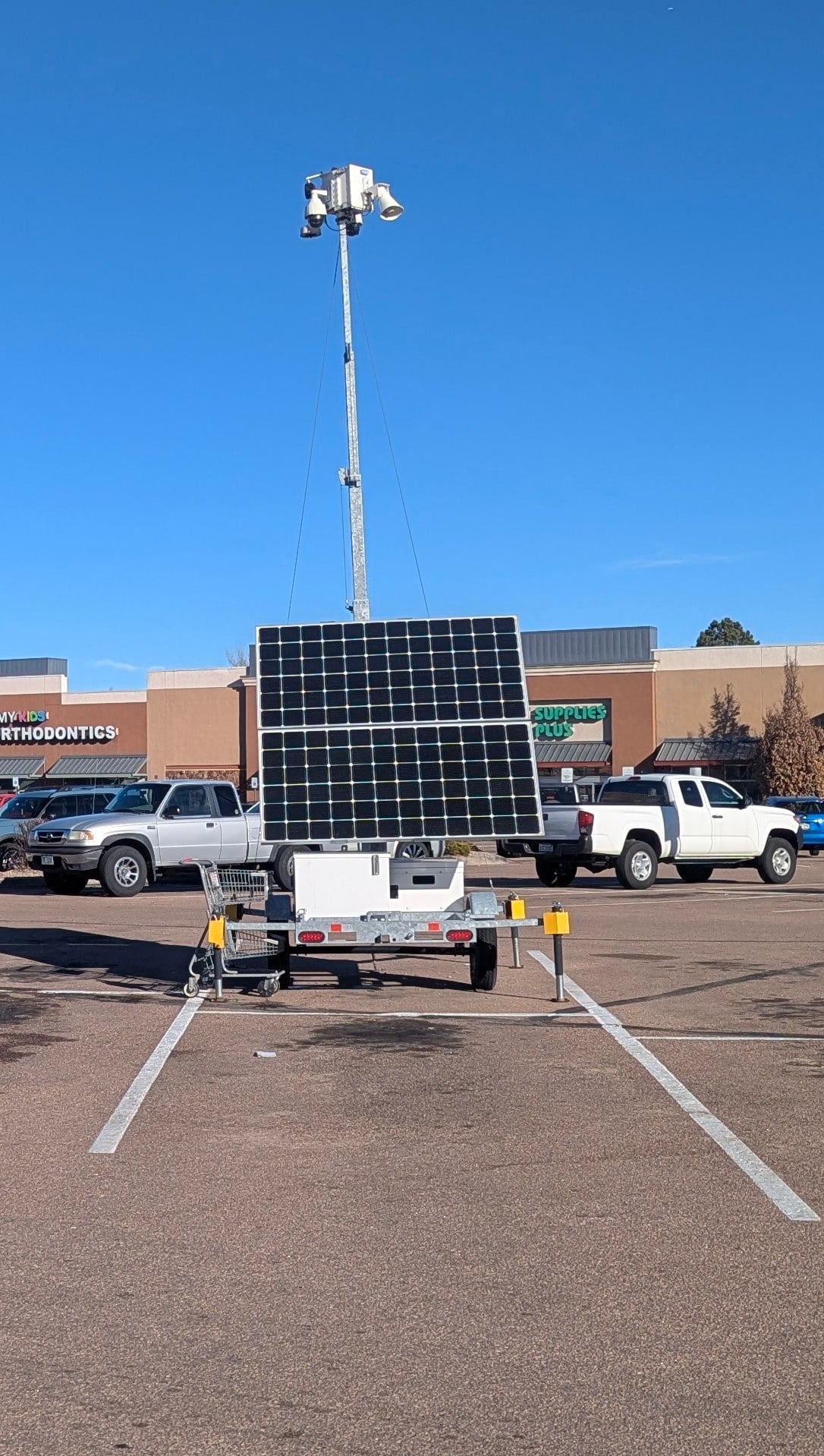

NERSA helps businesses compare the connection and power options before choosing equipment for a yard, gate, detached building or temporary work area.
Back to Anthracite Region Security Infrastructure and Connectivity
Separate the power question from the connection question
A camera needs energy and a way to meet its recording, viewing and notification requirements. A wireless bridge provides a data path to another point on the property’s network. Cellular uses a mobile network. Solar supplies power through a designed charging and battery arrangement. Calling all three options “wireless cameras” can hide important requirements.
Start with the actual problem. Is cable difficult to route? Is the camera far from building power? Does an isolated gate need live viewing, recorded evidence, event alerts or a defined monitoring service? The answer shapes both the equipment and ongoing costs.
When a wireless bridge is worth assessing
A bridge may suit a detached building or exterior area when a viable radio path and power at both ends are available. The assessment should examine mounting, obstructions, distance, capacity and the network connection at the main building. Changing foliage, vehicles or equipment can affect a proposed path, so a map alone is not enough.
A bridge does not remove the need to power the remote camera and communications equipment.
Compare its installation and maintenance needs with a feasible wired route.
See wireless bridges for remote security cameras for the service overview.
When cellular deserves consideration
Cellular can provide connectivity where using the property’s network is impractical. Test the signal at the intended equipment location. Then choose a data plan that fits how you will use the cameras. Continuous high-quality video transmission, occasional live viewing and event clips can create very different data needs.
Confirm where the system stores recordings, how staff can retrieve them and what remains available if the connection fails. Ask about recurring data charges and platform costs before comparing a cellular design with a building-connected camera.
Solar must be sized for the job and the season
Solar design must account for the complete equipment load, expected operating pattern, available sunlight, battery storage and the site’s seasonal conditions. Review shade, mounting, access for maintenance and how the system reports a power problem. A sunny-day demonstration does not establish performance through winter or extended poor weather.
You can combine solar power and cellular service at a suitable remote location.
However, either can also work with a different power or connection arrangement.
The solar and cellular surveillance guide covers the wider service.
The final design should state its operating assumptions and limitations.
Apply the options to a defined view
For an outdoor storage area, identify the movement or boundary that needs coverage. At a gate, define the arrival view and how someone requests entry. Temporary sites also need a plan for installation duration, relocation and equipment maintenance. An elevated overview may not capture every detail needed to identify a person or vehicle.
These questions apply across Pottsville, Schuylkill Haven, Tamaqua, Frackville, Shenandoah, Mahanoy City and Ashland. The local topography, structures, lighting and mobile coverage at the actual position determine feasibility.
Compare the whole operating cost
- Equipment, mounting, installation and any required site preparation.
- Power provision, batteries, charging equipment and maintenance access.
- Cellular data, platform subscriptions and any separately agreed monitoring.
- Recording availability, fault reporting and the cost of later relocation or expansion.
Have the proposal explain why the chosen approach fits the location and what will be tested at acceptance.
Return to security infrastructure and connectivity for the overall connection plan, or loading dock and yard security when the cameras support freight and exterior operations.
Assess a remote camera location
Share the location, required view, operating hours and available power or network access. Photos of the area and a rough site plan can help prepare for the assessment; final suitability needs site-specific review.