
USA Pork Packers in Hazleton, Pennsylvania, identified documentation needs spanning food-safety procedures, employee health and safety practices, humane animal handling and processing, and facility security.
Request a facility security assessment
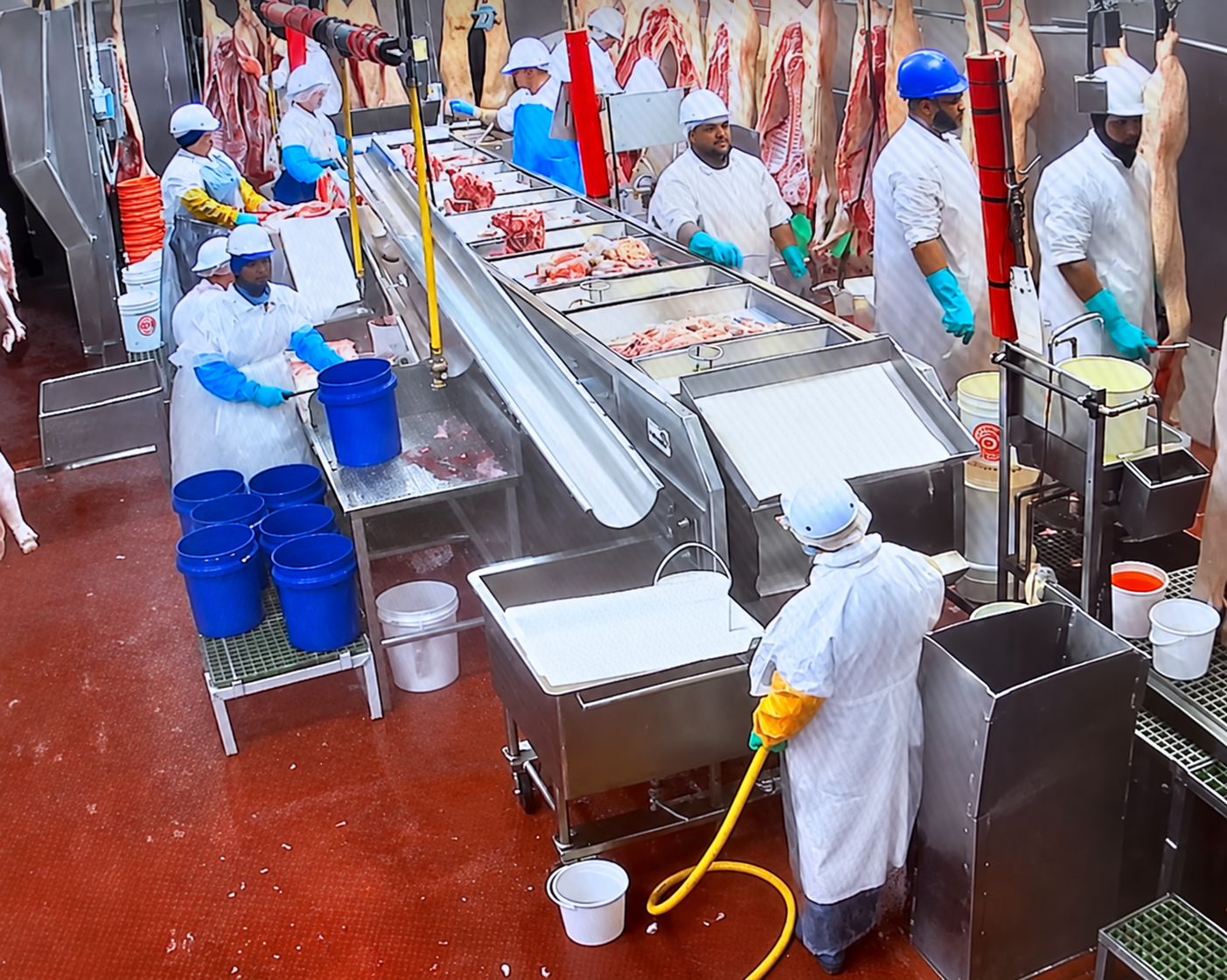
The solution includes video surveillance, AI-enabled cameras, and intrusion alarms.
Request a facility security assessment
For related planning, explore NERSA’s Food Processing and Cold Storage Security Systems industry guide.
Project at a Glance
- Facility: USA Pork Packers
- Location: Hazleton, Pennsylvania
- Industry: Food processing
- Original installation: 2008
- Priorities: Procedure documentation, employee safety, humane handling, operational review, and security
- Solutions: Video surveillance, AI-enabled cameras, and intrusion alarms
The original installation dates to 2008. This case study covers the facility’s broader security and documentation needs, including AI-enabled video capabilities.
The Challenge: Documenting Procedures Across a Processing Facility
USA Pork Packers needed visual documentation to support review of food-safety procedures associated with USDA oversight, employee health and safety practices, and humane procedures during animal handling and processing.
The challenge extended beyond protecting the building. The facility needed a way to review observable activity, investigate reported events, and connect security records with operating procedures. Those objectives call for footage that shows the relevant work clearly and can be located when a review is needed.
Video Surveillance for Food-Safety Procedure Documentation
Video surveillance forms the foundation of the documentation approach. Coverage of selected processing and operational areas supports review of observable procedures and the sequence of events surrounding a concern.
The purpose is to help authorized personnel examine what occurred and identify matters requiring follow-up. Camera views should correspond to the procedures being documented, with attention to obstructions, lighting, and activity within each area.
Video provides supporting documentation alongside required food-safety records, inspections, and process measurements.
Documenting Employee Health and Safety Practices
Employee health and safety procedures are another central project priority. Video records can support review of observable work practices, movement through operational areas, and reported incidents.
Relevant footage can help managers establish an event timeline, review how a procedure was carried out, and identify training or corrective-action needs. Clear camera identification and accurate timestamps help connect a reported event to the appropriate recording.
Supporting Review of Humane Handling and Processing
The project also includes documentation of humane procedures used during animal handling and processing. The video objective is to provide useful views of selected activities so authorized personnel can review observable practices against the facility’s established procedures.
Recordings support oversight and investigation. They do not independently establish compliance or replace required inspections and records.
AI-Enabled Cameras for Focused Review
AI-enabled cameras add tools that can help personnel find relevant activity and review selected events, depending on the equipment and configuration. Their role is to assist the documentation workflow by narrowing searches and focusing attention on footage relevant to an operational or security question.
AI results require human review. Camera analytics should not be presented as independently judging food safety, employee health, or humane treatment.
Intrusion Alarms for Facility Security
Intrusion alarms complement the video system by addressing potential unauthorized entry into protected areas. Alarm coverage should reflect operating schedules, authorized access, and the distinction between active production areas and closed sections of the facility.
Defined zones and response contacts help personnel understand where an event occurred and who should address it. Together, video surveillance and intrusion detection support operational visibility and facility protection.
Connecting Documentation to Daily Operations
The USA Pork Packers project brings several documentation needs into one security discussion: food-safety procedures, employee practices, humane handling, and access to the facility.
Useful records depend on more than camera coverage. Retention settings, accurate timekeeping, clear camera names, authorized access, and a process for preserving relevant footage help make recordings available when needed.
For related facility planning, visit Food Processing and Cold Storage Security Systems.
Explore additional examples in the NERSA security case-study collection.
Discuss Your Facility’s Documentation and Security Needs
Northeast Remote Surveillance and Alarm, LLC can help define surveillance and intrusion-alarm requirements around your facility, operating procedures, and documentation priorities.
Request a facility security assessment or call 1-888-344-3846.