
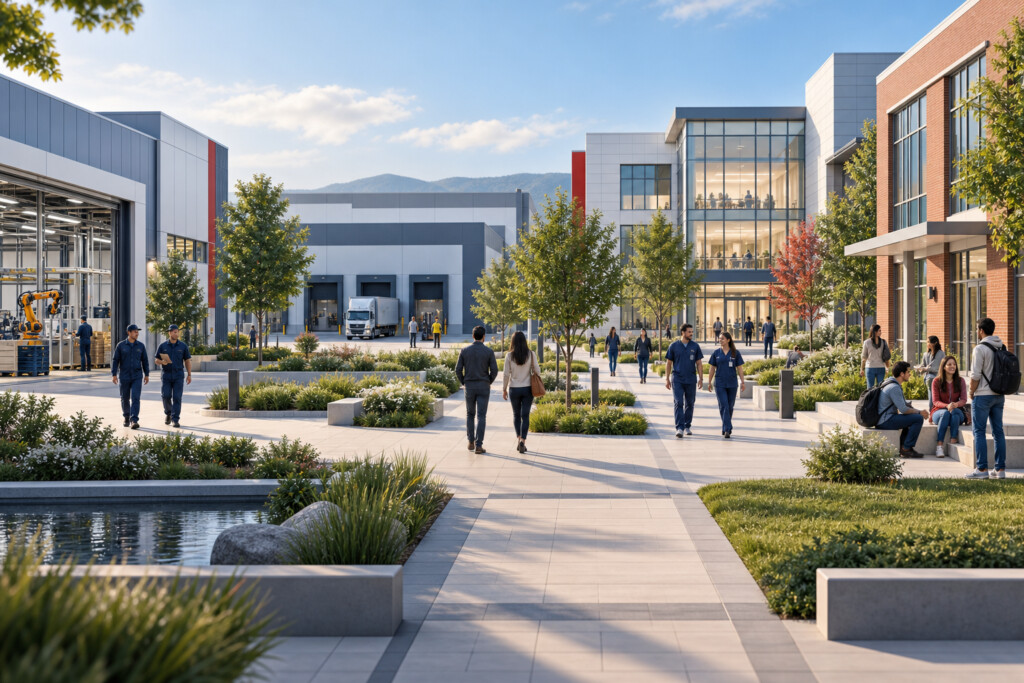


A manufacturing security standard must coordinate several buildings and teams while respecting production constraints. The enterprise layer defines common access, documentation, investigation, and change practices; each plant still requires a site-specific design.
Part of Enterprise Security by Industry.
Align corporate policy with plant operation
Identify production shifts, maintenance windows, restricted processes, contractor work, and shared facilities. Decide which settings plant managers can change and which require central approval. Record exceptions for areas where a standard schedule or device arrangement would disrupt operations.
Coordinate employee and contractor access
Use approved roles, site assignments, temporary access, and expiry. Distinguish routine employee permissions from escorted visitors and specialist maintenance work. Connect credential changes to the responsible business process so a transfer between plants does not leave unnecessary permissions behind.
Keep security and process responsibilities clear
Video may help authorized staff review activity around production, storage, loading, and perimeter areas. Define camera purpose, review permissions, and retention before deployment. Any connection to operational technology requires the plant’s responsible engineering and IT teams to approve the boundary and interruption risks.
Roll out around occupied facilities
Pilot representative access and investigation workflows in a suitable building. Plan installation and testing around production schedules, then capture as-built records and training. A successful campus standard should make the next building easier to add while preserving the site decisions that matter.
Related planning resources
- Manufacturing Plant Security Systems
- Video Surveillance for Manufacturing Facilities
- Production Floor Surveillance Systems
- Loading Dock Security Systems
- Industrial Perimeter Security Cameras
Frequently Asked Questions
Can a corporate manufacturing-security standard replace plant-specific design?
No. Corporate standards establish common access, documentation, investigation, and change practices; each plant still needs a design suited to its operations. Account for shifts, contractors, occupied buildings, and production constraints.
Who should coordinate a manufacturing-campus security rollout?
Involve the teams responsible for plant operations, security, and relevant infrastructure. Keep security and process responsibilities clear and schedule work around occupied facilities. Shared standards should support production rather than leave local teams to resolve new exceptions after installation.
Let’s talk about your next step
Tell us what you want to improve and which locations are involved. We can help you work through the questions, check what your systems support, and define a practical project scope.
Discuss your manufacturing campus
Compliance, Codes & Project Standards
NERSA plans commercial and industrial security work with applicable code, documentation, inspection and authority-having-jurisdiction requirements in mind. Requirements vary by system, property and jurisdiction. These resources support project planning; they do not establish legal compliance, certification or AHJ approval.
Related guidance: Regulatory compliance & inspection readiness · Manufacturing compliance planning · NERSA project standards