
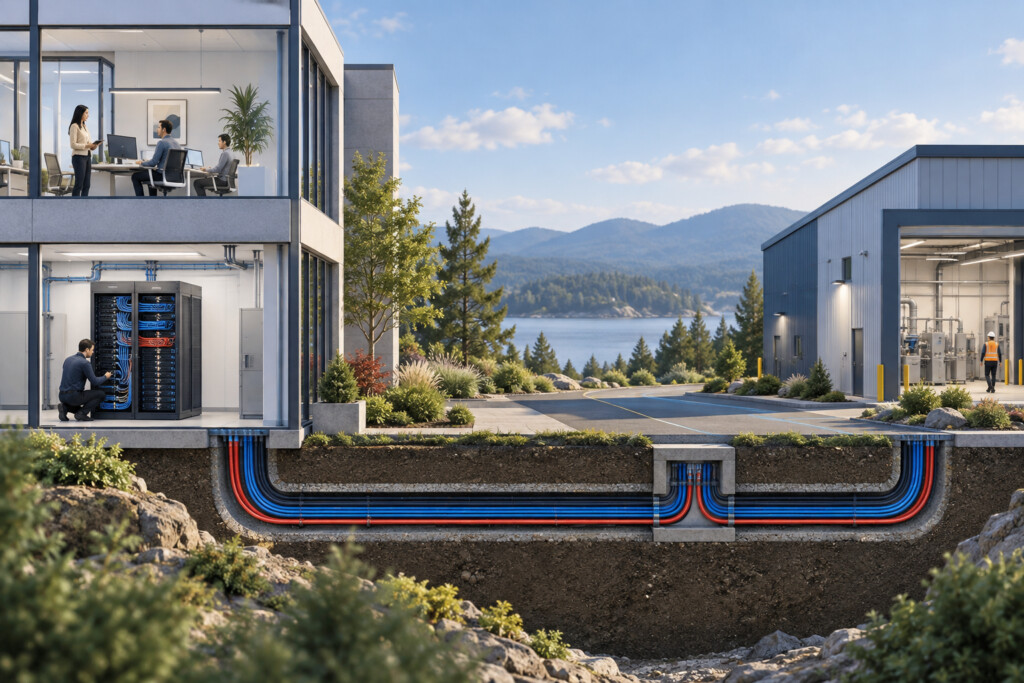


Remote-site planning must distinguish the functions that need a central connection from those that can continue locally. Define that boundary before selecting a wide-area link or promising centralized operation.
Part of Enterprise Security Network Reference Design.
Map functions to their required connections
Map recording, door decisions, alarms, intercom calls, administration, updates, and evidence retrieval to their required connections. Identify normal traffic and peak activity, including exports and recovery synchronization. Confirm responsibility for internet service, routed links, wireless paths, power, and application availability.
Prioritize services during an outage
Plan interruptions to the primary connection, degraded bandwidth, failed equipment, unavailable central services, and restoration after a prolonged outage. A backup link may have different capacity and supported functions. State which services receive priority and what local personnel should do while central tools are unavailable.
Test local operation and recovery
Test agreed failures at a representative site and verify actual local recording, credential behavior, event delivery, and recovery. Record unavailable functions and manual steps. Confirm alerts reach the responsible team and that restored traffic does not overwhelm the site or central service.
Related planning resources
- Wireless Bridges for Remote Security Cameras
- Fiber Infrastructure for Commercial Security Systems
- UPS Backup Power for Commercial Security Systems
- Enterprise Video Surveillance Systems for Multi-Site and Large Facilities
Let’s talk about your next step
Tell us what you want to improve and which locations are involved. We can help you work through the questions, check what your systems support, and define a practical project scope.