
NERSA · Commercial & Industrial Security
Security planning for Tannersville and Bartonsville commercial properties, including visitor entry, retail operations, hospitality, cameras and service access.

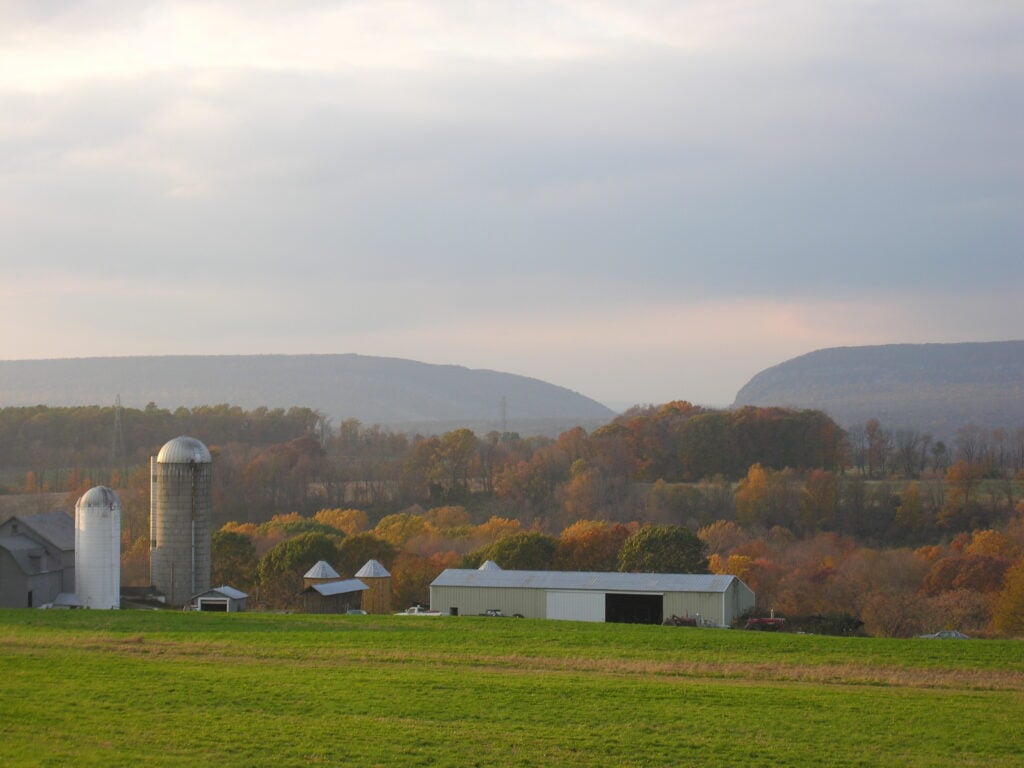
Regional scenery: Delaware Water Gap viewed from New Jersey. Image: public domain.

Keep public-facing operations welcoming while controlling staff, service, and restricted areas. NERSA reviews commercial security projects around Tannersville and Bartonsville with attention to customer movement, changing occupancy, delivery routines, and after-hours responsibilities.
Separate the visitor experience from service access
A commercial property can have a public entrance, staff doors, delivery access, waste handling, storage, and management offices operating on different schedules. Map those routes before deciding where cameras, readers, intercoms, or intrusion detection belong. Identify who authorizes a vendor when the normal receiving contact is unavailable.
For hospitality, retail, dining, and other visitor-facing operations, identify the transition between public space and restricted work areas. A busy arrival period should not require staff to share administrative credentials or leave a service entrance unmanaged. Choose procedures that remain workable when staffing or occupancy changes.
Plan cameras around actual review needs
Record what management needs to review at an entrance, receiving point, parking approach, or authorized common area. Distinguish an overview from the detail needed to assess a particular event. Demonstrate recordings during representative daytime, evening, and busy operating conditions.
Signs, seasonal displays, queues, deliveries, and parked vehicles can change the view. Assign someone to report those changes. Set viewing and export rights according to the owner’s policy, and keep cameras out of spaces where the organization cannot justify or lawfully authorize surveillance.
Manage temporary and changing access
Create roles for permanent staff, seasonal staff, managers, cleaning, maintenance, and contractors. Define who approves each role and the process for removing access. Confirm whether the selected platform supports the required schedules and temporary permissions.
Intercoms can help route an entry request, but the project still needs a person who answers, a verification procedure, and an approved release action. Coordinate door hardware and life-safety requirements with the responsible specialists. Test a normal request and an unanswered-call scenario.
Coordinate alarms with opening and closing routines
Document which areas remain active after public hours. A restaurant service area, maintenance space, or late-working office may have a different schedule from the main customer area. Define independent alarm areas where supported and ensure authorized staff understand entry, exit, and cancellation procedures.
Set clear monitoring responsibilities for intrusion events and system faults. Review escalation contacts during staffing changes. A cloud app, a recorded video system, and a professional monitoring service should not be described as interchangeable functions.
Install around customers and staff
Agree on work windows, ceiling access, occupied areas, delivery restrictions, and coordination with property management. Identify temporary interruptions before work starts. A phased project should state which functions become usable at each stage and how existing protection is maintained through the transition.
For an existing property, inventory the camera views, doors, alarm equipment, cabling, and administrator access. Evaluate reuse based on condition, compatibility, supported functions, and ownership. Avoid replacing a working component simply because the system’s operating records are incomplete; first determine what the owner can legitimately recover and administer.
Use a practical acceptance checklist
- Retrieve an agreed test recording using a normal management account.
- Demonstrate authorized entry and removal of a temporary credential.
- Verify intercom routing and the approved unanswered-call procedure.
- Coordinate a representative alarm event with the receiving provider.
- Review device names, training, account ownership, and support responsibilities.
- Record limitations and retest corrections.
For a nearby office or shared commercial building, continue with the Stroudsburg and East Stroudsburg guide. For hotels, resorts, and visitor facilities, use the Poconos hospitality security guide.
Define the right scope for your property
Tell Northeast Remote Surveillance and Alarm, LLC about the property address, operating hours, current equipment, and the problems you need to solve. We’ll review the proposed systems, installation coordination, and service requirements for the actual location.
Request a security assessmentCall 1-888-344-3846Related Poconos planning
Video surveillance · Controlled entry · Alarms and monitoring
Commercial, industrial, institutional, and other qualifying projects. Confirm project scope, scheduling, and service arrangements for the specific property.