
NERSA · Commercial & Industrial Security
Commercial security in Stroudsburg and East Stroudsburg: cameras, controlled entry, alarms, monitoring, upgrades and occupied-building installation planning.

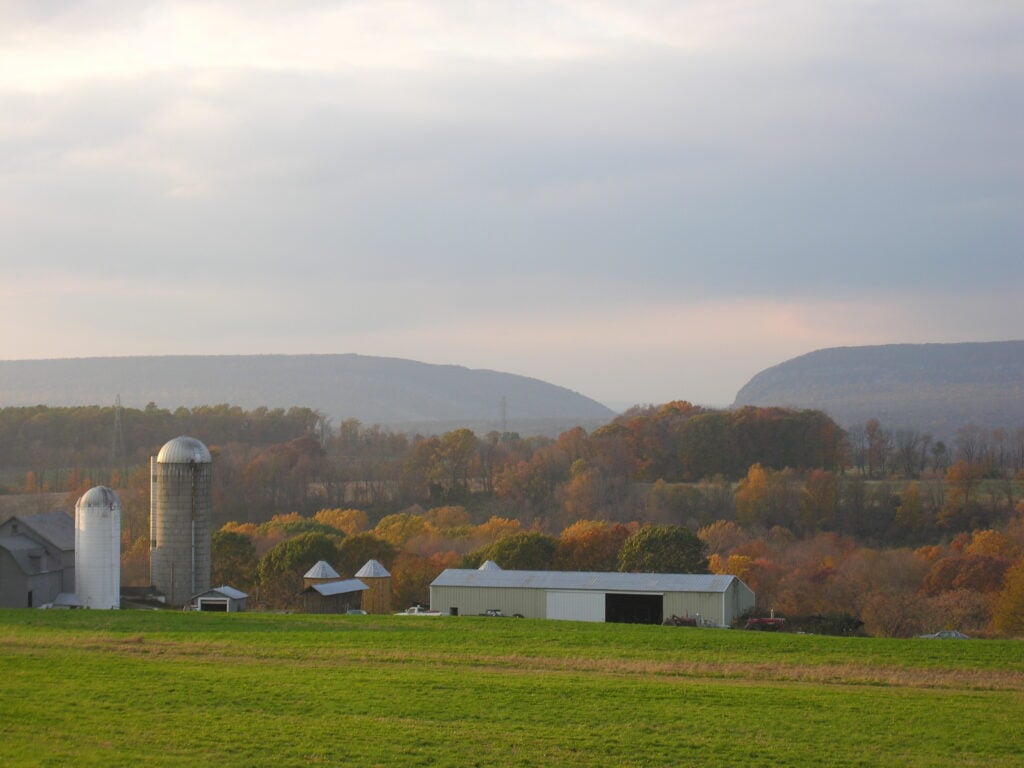
Regional scenery: Delaware Water Gap viewed from New Jersey. Image: public domain.

Coordinate public access, employee entry, deliveries, and after-hours protection. NERSA plans commercial security for qualifying Stroudsburg and East Stroudsburg properties, with a scope based on the building’s actual operation and existing systems.
Start where public and private activity meet
An office reception area, healthcare entrance, retail counter, service door, and shared commercial hallway create different security decisions. Identify where a visitor is expected, where an employee credential is appropriate, and which spaces should remain restricted. Bring property management into the discussion when the entrance, parking area, or communications room is shared.
For a business with more than one local building, agree on site and door names before configuring equipment. Staff should be able to identify an event without confusing similarly named entrances. Record who manages each location’s users and who handles faults when the local office is closed.
Define camera coverage around an incident-review task
Specify what an authorized manager needs to understand after an incident: arrival at an entrance, movement through an approved common area, a delivery handoff, or activity around a service door. An overview and a detail view serve different purposes. Evaluate actual recordings under the lighting and operating conditions that matter to the business.
Street-facing windows, exterior light, parked vehicles, signs, and seasonal activity can change a useful view. Keep coverage aligned with the property’s legitimate purpose and the owner’s privacy policies. Review permissions and export responsibilities with the people who will handle recordings.
Plan controlled entry without disrupting normal use
List employee groups, opening hours, visitors, cleaning staff, vendors, and temporary contractors. Identify who grants access, who removes it, and what happens when a credential is lost. For a shared building, distinguish a common entrance from a tenant’s restricted space.
Coordinate readers, intercoms, locks, door condition, and network readiness before installation. The responsible professionals must review exit and life-safety requirements. A remote door-release feature should have a clear authorized operator and an approved verification procedure.
Make closing procedures and alarm response explicit
Record the areas that should be armed, the routes used by the last employees, and any legitimate late activity. A cleaning crew or a tenant working later may require separate operating areas where the selected system supports them. Confirm that readable event names reach the intended receiving service.
Distinguish mobile notifications from a contracted monitoring workflow. Agree which events receive attention, who is contacted, and how instructions stay current. Test an approved representative event with the provider rather than assuming an app notification proves the complete response process.
Work around occupied buildings and existing equipment
Describe access windows, customer-facing hours, landlord permissions, ceiling access, and areas where installation needs advance coordination. Inventory existing cameras, alarm panels, readers, cabling, and administrator accounts. NERSA can evaluate what should remain, what needs repair, and where replacement is justified by the agreed requirement.
A phased scope should leave a useful result at each stage. For example, restoring reliable entry and essential recording may take priority over adding more views. Identify which later features depend on the initial network, power, or account work.
Bring these records to an assessment
- Property address, authorized owner or tenant contact, and the affected entrances and areas.
- Normal hours, after-hours users, delivery patterns, and shared-space responsibilities.
- Current equipment and the specific tasks that fail or need improvement.
- Recording, access, alarm-response, and recurring-service requirements.
- Installation restrictions and the staff who will witness acceptance tests.
Accept the result with the people who use it
Have an authorized manager retrieve a test recording, administer an agreed credential, and follow a representative alarm or intercom workflow. Confirm that permissions are appropriate and that staff receive understandable device names, support contacts, and ownership records. Record unresolved items and retest corrections.
For retail and visitor-heavy properties farther west, use the Tannersville and Bartonsville guide. For logistics and industrial sites on the plateau, use the Mount Pocono and Tobyhanna guide.
Define the right scope for your property
Tell Northeast Remote Surveillance and Alarm, LLC about the property address, operating hours, current equipment, and the problems you need to solve. We’ll review the proposed systems, installation coordination, and service requirements for the actual location.
Request a security assessmentCall 1-888-344-3846Related Poconos planning
Poconos video surveillance · Access, intercoms and gates · Assessments and upgrades
Commercial, industrial, institutional, and other qualifying projects. Confirm project scope, scheduling, and service arrangements for the specific property.