
NERSA · Commercial & Industrial Security
Security planning for Wayne and Pike County businesses, including Honesdale, Hawley, Milford and Matamoras, with cameras, entry, alarms and remote-site planning.

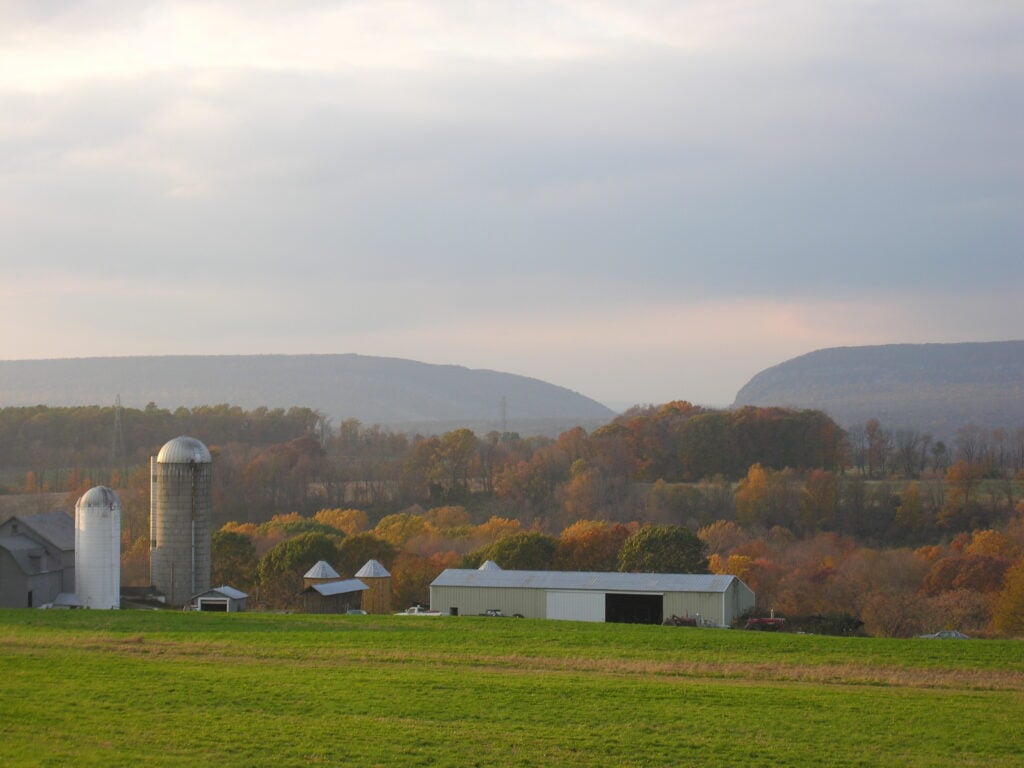
Regional scenery: Delaware Water Gap viewed from New Jersey. Image: public domain.

Coordinate public-facing buildings, detached facilities, and changing operating hours. This guide helps qualifying Wayne and Pike County commercial properties prepare a security scope, including businesses around Honesdale, Hawley, Milford, Matamoras, and the surrounding northern and eastern Poconos.
Define what must work when the property is unattended
Start with normal hours, seasonal or temporary operating changes, staff responsibilities, and the areas that remain active after the main office closes. A detached storage building, service yard, or maintenance area may require a different schedule from a public entrance. Document those differences before selecting equipment.
Ask who receives a fault or event when the usual manager is away. Record backup contacts and the agreed escalation process. A mobile notification can be useful, but it does not establish continuous professional attention or guarantee a local response.
Survey communications at the actual location
List the network connection, recording location, alarm communication paths, and power dependencies. For a remote building or exterior device, identify how it connects to the rest of the system and who supports that connection. Confirm service availability and technical suitability for the exact property.
Do not infer a reliable wireless link from a map. Buildings, vegetation, terrain, traffic, and installation access may matter to the selected technology. Ask the designer to document the survey and supported behavior during an outage, then test the agreed fault and restoration workflow.
Plan cameras for a specific operating purpose
Describe the scene and task: reviewing entry to a business, observing a delivery handoff, assessing an event near storage, or understanding activity in an approved common area. Include normal obstructions, lighting, and seasonal changes. The proposed view should demonstrate the required detail under representative conditions.
Define recording access and retention with the owner’s responsible team. Limit exports to authorized purposes and keep an understandable device map. For properties with several buildings, a manager should be able to select the correct site and recording without relying on an installer’s undocumented naming convention.
Coordinate visitor, staff, and service access
Separate public entrances from restricted work areas and service routes. Define the roles of employees, temporary staff, vendors, cleaners, and maintenance personnel. Assign approval and removal of credentials, including the process after a staff or provider change.
An intercom needs an answering plan and a separately authorized release action. A gate needs an access workflow plus professional coordination of its movement and safety systems. The security scope must preserve the responsibilities of qualified door, gate, and life-safety specialists.
Support hospitality and multi-building operations
For a lodging or visitor property, identify public areas, staff-only routes, receiving, management spaces, and maintenance facilities. Coordinate installation windows with the operation. Keep surveillance aligned with authorized business purposes and the organization’s privacy requirements.
Where the same organization operates multiple locations, common account standards and equipment records can help administration. Each property still needs its own schedules, permissions, emergency contacts, and service responsibilities. Use the hospitality and commercial-property guide for the operating details.
Evaluate reuse before replacing a complete system
Inventory cameras, recorders, alarm panels, readers, cabling, subscriptions, and authorized administrative access. Identify whether the problem is a failed component, inadequate coverage, unsupported equipment, or an incomplete operating process. Define what can be retained only after condition and compatibility checks.
For a provider transition, document responsibility during the cutover and verify the new arrangement before ending a required existing service. Demonstrate recording retrieval, controlled entry, alarm delivery, and the agreed outage behavior as applicable to the scope.
Prepare the assessment
Bring the property address, a description of normal and exceptional activity, known equipment faults, available drawings, and the people responsible for IT, operations, and budget. Confirm NERSA’s proposed coverage, installation schedule, monitoring scope, and long-term support arrangement for the specific location.
Define the right scope for your property
Tell Northeast Remote Surveillance and Alarm, LLC about the property address, operating hours, current equipment, and the problems you need to solve. We’ll review the proposed systems, installation coordination, and service requirements for the actual location.
Request a security assessmentCall 1-888-344-3846Related Poconos planning
Infrastructure and connectivity · Alarms and response · Assessment and upgrades
Commercial, industrial, institutional, and other qualifying projects. Confirm project scope, scheduling, and service arrangements for the specific property.