
The Prysmian Schuylkill Haven security project began in 2008 and included many upgrades over the years.

Plan your industrial security assessment
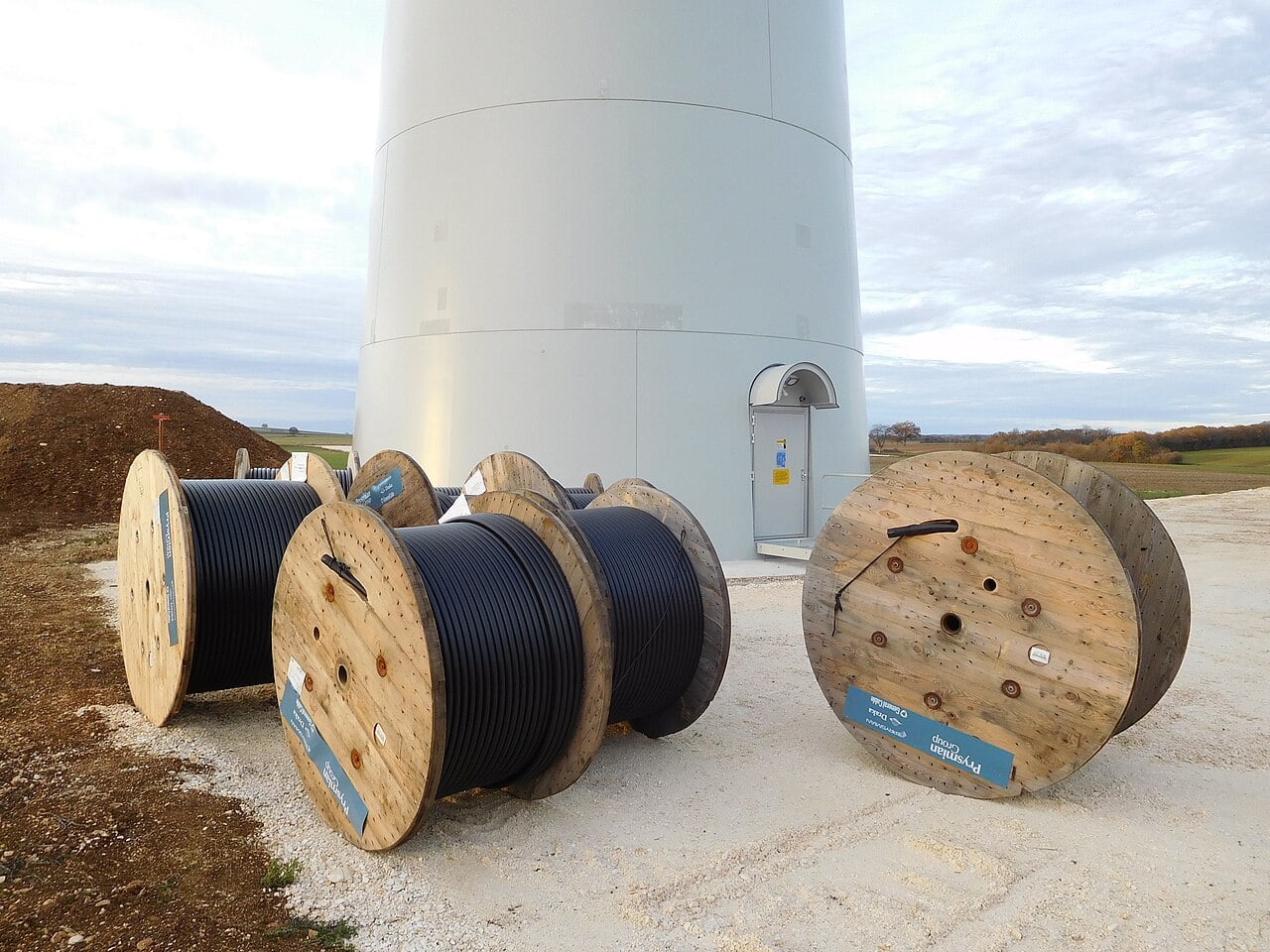
.jpg)
Northeast Remote Surveillance and Alarm, LLC supported a scope spanning access control, security infrastructure, wireless infrastructure, process documentation, live monitoring, remote viewing, and guard-house video management systems. Together, these services addressed both facility protection and the need to see manufacturing activity clearly.
Industry: Industrial manufacturing · Location: Schuylkill Haven, PA · Original installation: 2008, with many upgrades over the years
Explore all commercial and industrial security case studies
The project supported an industrial manufacturing environment. Wire and cable production combines people, equipment, materials, and movement within a working plant. Security planning therefore needs to consider how people enter, how video reaches the people using it, and how footage supports review. The project illustrates why infrastructure and daily operating needs deserve attention alongside cameras and controlled doors.
Access control for an industrial setting
Access control formed part of the Prysmian Schuylkill Haven project. In a manufacturing environment, controlled entry helps a facility manage who may enter particular areas while supporting normal work routines. Employees, visitors, contractors, and deliveries can present different access needs. A useful design starts with those needs and the responsibilities of the people administering the system.
For similar facilities, commercial and industrial access control installation should account for door condition, power, communication paths, and emergency egress.
Access permissions also need regular review as staffing and work assignments change.
This project’s long history reinforces an important point: access control is a managed operating system, not simply hardware installed at an entrance and forgotten.
Security infrastructure as the foundation
Security infrastructure was another core part of the work.
Cameras, access systems, viewing stations, and recording equipment all depend on reliable connections and suitable power.
Even a strong camera image has limited value if the network cannot deliver it consistently or the intended operator cannot retrieve the recording.
Manufacturing sites also create practical installation challenges.
Equipment, building construction, operating schedules, and the distance between system components influence the right approach.
Infrastructure and cabling planning brings these considerations together before individual devices become the focus.
As a system changes over time, reviewing its underlying connections helps determine whether existing infrastructure can support the next upgrade or needs attention first.
Wireless infrastructure for system connectivity
The Prysmian Schuylkill Haven scope also included wireless infrastructure. Wireless connectivity can provide another way to connect security equipment where distance or site conditions make a conventional cable route difficult. However, a wireless link still needs careful planning. The path between endpoints, surrounding structures, interference, power availability, and required capacity all affect its suitability.
For industrial owners evaluating comparable work, wireless network planning should begin with the traffic the link must carry.
Video streams and operator viewing needs can place different demands on a connection.
Wireless infrastructure therefore belongs within the wider security design.
It should support the required workflow rather than become a separate component chosen without considering recording and viewing needs.
Process documentation on the production floor
Process documentation was an important part of this manufacturing project. Video can serve an operational purpose as well as a security purpose: it gives authorized personnel a visual record to consult when reviewing activity. That may help teams understand a sequence of events, discuss a workflow, or examine what occurred during a particular period.
Production floor surveillance requires a clear definition of what the organization wants to document.
A broad scene may provide context, while a specific task may require a different view.
Recorded video should support human review alongside the plant’s other records and procedures.
Teams can combine footage with production records and staff observations to build a clearer picture of an event.
Prysmian Schuylkill Haven guard-house VMS
Guard-house VMS systems were part of the Prysmian Schuylkill Haven project.
A video management system gives operators a working interface for camera views and recorded footage.
Its value depends on how well that interface supports the person using it during a shift, when timely access to the right view matters.
In a manufacturing setting, a guard-house workstation connects video information with on-site responsibilities. Clear camera names, useful viewing arrangements, and appropriate user permissions are practical considerations for similar deployments. The purpose is to make information usable. A large collection of feeds is less helpful if an operator cannot identify the relevant view or understand which action the facility expects next.
Live monitoring and remote viewing
The project included live monitoring and remote viewing. These capabilities support different aspects of oversight. Live monitoring lets an authorized operator observe activity as it happens. Remote viewing extends access to authorized users away from the local viewing station, subject to the system’s connection and permission settings.
A useful monitoring plan defines who watches, what requires attention, and how staff communicate when they identify a concern.
Remote access also needs to match each user’s responsibilities.
For organizations planning live and remote video monitoring, the technology and the response procedure should develop together.
For plant managers, these tools work best when access, communication, and daily responsibilities are clear to every authorized user.
Prysmian Schuylkill Haven upgrades since 2008
The original installation dates to 2008, followed by many upgrades over the years.
That history is central to the case study.
Industrial security systems often develop as equipment ages, operational needs change, and newer components become available.
A project that spans years should therefore be understood as an evolving system rather than a single installation frozen in time.
Upgrades, retrofits, and takeovers require an informed review of what is already present.
For comparable plants, that means examining useful existing equipment, connection paths, recording requirements, operator needs, and compatibility before deciding what to replace.
A phased approach can focus investment on identified needs.
The right plan depends on inspection and testing rather than an assumption that every component needs replacement.
Lessons for Schuylkill County manufacturers
The Prysmian project brings several related needs into one industrial security story: controlling access, supporting connectivity, documenting processes, and making video available locally and remotely. Its 2008 starting point and later upgrades also highlight the importance of reviewing the whole system as individual parts change. Each service has a role, but their usefulness depends on how they work together.
For manufacturing and warehouse security in the Anthracite Region, the first step is a clear account of the site’s operating needs.
Identify the entry points, the activities that require visibility, and the people who need access to information.
Then review infrastructure and equipment against those requirements.
This creates a practical basis for discussing priorities, budget, and a sensible upgrade sequence.
Start with the everyday questions that the system must answer. Can the responsible person find the relevant camera? Does the available view show the activity being reviewed? Is access limited to the people who need it? Are changes to doors, work areas, or network connections reflected in the security plan? These questions help keep an upgrade grounded in actual use.
The same discipline applies after installation. Staff changes, new equipment, and revised procedures can alter how a system is used. Periodic review gives the owner a chance to identify gaps, confirm priorities, and decide what deserves attention next. For a project with many upgrades, this operating perspective is especially valuable because it connects each improvement to a defined need within the facility and its day to day work.
Plan an industrial security assessment
NERSA helps industrial organizations evaluate access control, video, connectivity, and system upgrades in the context of their facility.
Use this case study to start a focused discussion about the systems you have and the work they need to support.
Plan your industrial security assessment to review your manufacturing site and establish an appropriate path forward.