
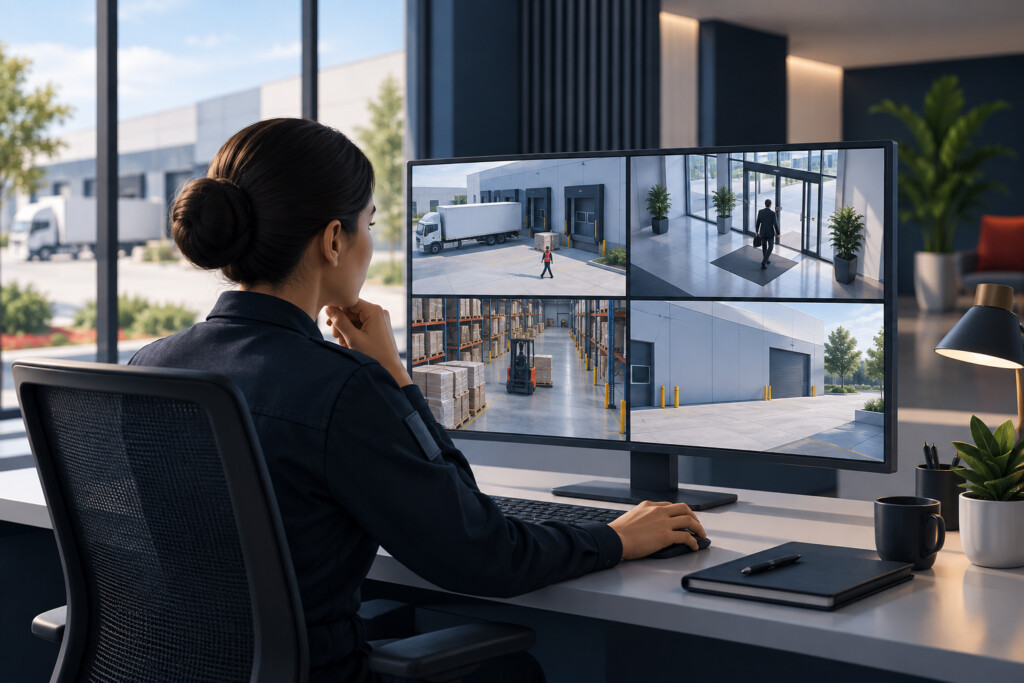


Linking a door event with the correct video can make investigation and operator review more practical. The enterprise requirement is a consistent event-to-location mapping that remains supportable across sites.
Part of Unified and Integrated Security Systems.
Map door events to camera views
Define the triggering event, associated camera views, useful pre-event and post-event context, and the authorized operator action. Distinguish denied access, forced-door, held-door, and ordinary access events. Confirm which events the interface exposes and how identifiers, timestamps, permissions, and licenses are handled.
Detect broken mappings and unavailable video
A replaced camera, renamed door, changed server, or interrupted interface can silently break the mapping. Define alerting or periodic checks for missing associations. Decide what operators see when the video is unavailable and which source record remains available for investigation. Keep event review separate from any remote door-control permission.
Test timing, permissions, and recording retrieval
Test each required event at representative door types and locations. Confirm the correct view, time alignment, recording retrieval, operator permissions, and behavior during interface loss. Record mappings and supported versions so later maintenance can revalidate the integration rather than relying on a successful demonstration from installation day.
Related planning resources
- Enterprise Video Surveillance Systems for Multi-Site and Large Facilities
- Commercial & Industrial Access Control Systems
Frequently Asked Questions
What makes video and access-event integration useful?
A useful integration maps a door event to the correct camera view and recorded context. Keep event-to-location mappings consistent and supportable across sites. The operational goal is easier investigation and review, not simply displaying two systems together.
What should an event-to-video acceptance test check?
Check timing, user permissions, relevant camera views, and recording retrieval. Include broken mappings and unavailable video in the review. Operators should understand when the visual context is missing.
Let’s talk about your next step
Tell us what you want to improve and which locations are involved. We can help you work through the questions, check what your systems support, and define a practical project scope.
Plan your door and video integration
Compliance, Codes & Project Standards
NERSA plans commercial and industrial security work with applicable code, documentation, inspection and authority-having-jurisdiction requirements in mind. Requirements vary by system, property and jurisdiction. These resources support project planning; they do not establish legal compliance, certification or AHJ approval.
Related guidance: Regulatory compliance & inspection readiness · Access control & door hardware standards · NFPA 101 & egress planning · ADA access-control planning